Catania, Sicily: three days here isn't a huge amount, but it's exactly the right amount of time to fall in love with this city without rushing around like crazy. I'm Fabio, host of the Lavika Loft, and let me tell you straight away: with two days you see the old town and not much else, with four you get to relax, but with three days Catania really opens up. You can fit in the baroque old town, a full day on Etna, the sea of the Riviera dei Ciclopi and, of course, an embarrassing amount of food.
In this article I'll walk you through the itinerary I almost always recommend to my guests, the one I've fine-tuned over the years, with real times, real prices and a few tips you won't find on the tourist sites. No brochure, just how I'd do it. If instead you have more or less time on your hands, I'll also leave you the itinerary for 2 days and the one for 4 days, so you can pick the one that suits you.
Day 1: the UNESCO old town
The short answer is this: dedicate the whole first day to the centre, on foot, because Catania is a UNESCO heritage site and you only really take in the black lava stone baroque by walking slowly with your nose in the air.
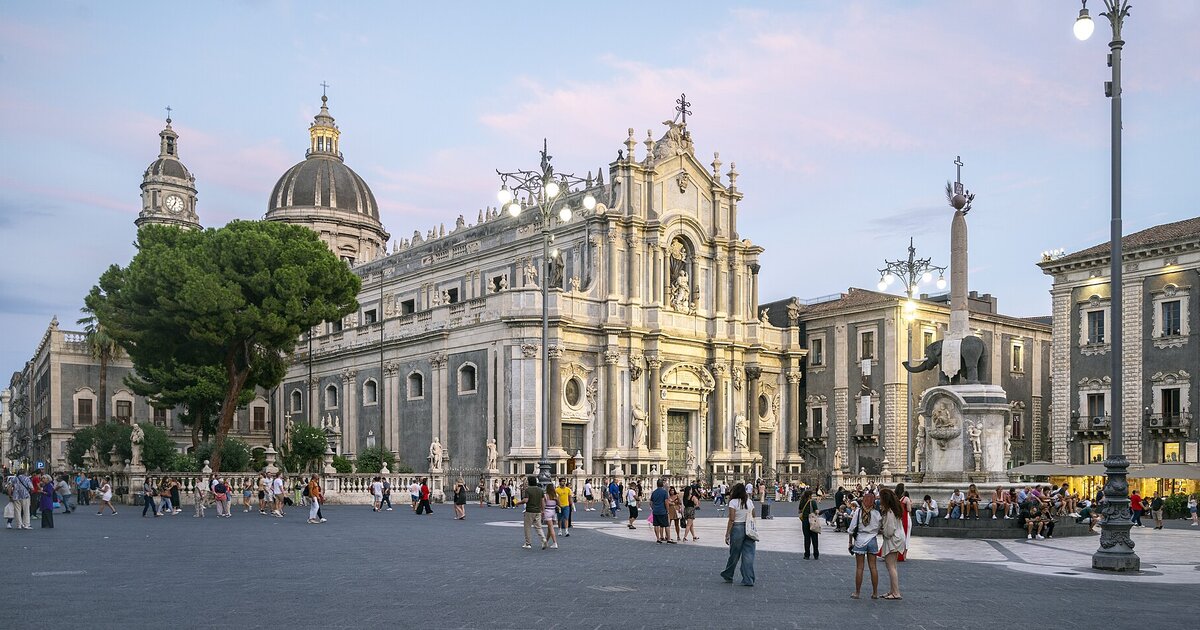
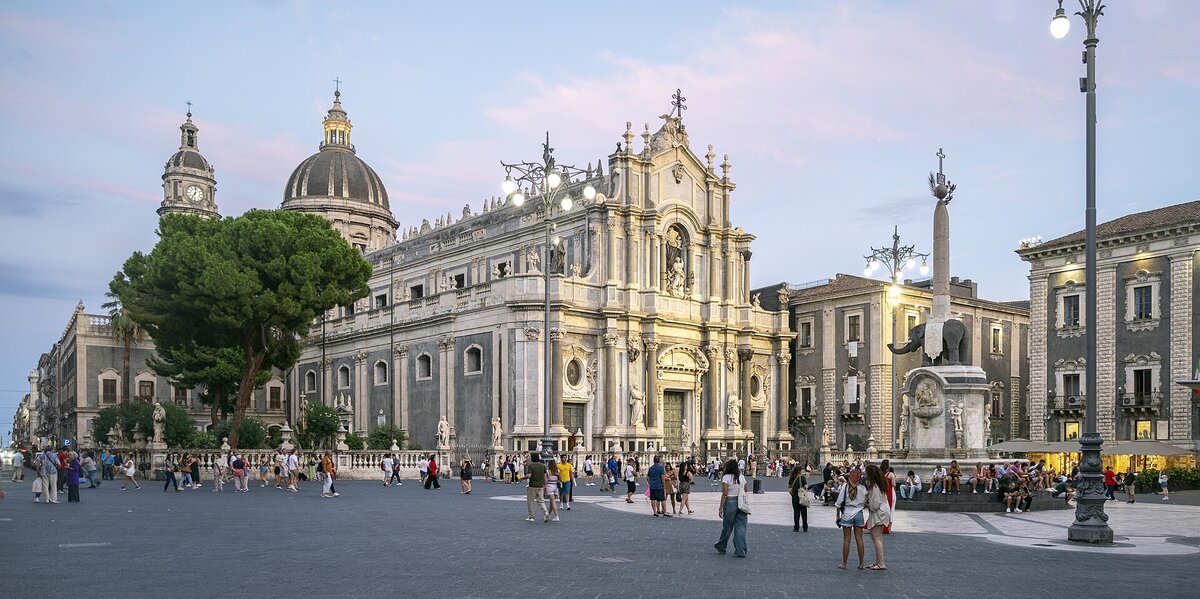
Start from Piazza del Duomo, the heart of the city. Here you'll find the Cathedral of Sant'Agata, dedicated to our patron saint (in February the festival is something else, but that's another story), and at the centre of the square you'll find 'u Liotru, the Elephant Fountain: a little lava stone elephant with an Egyptian obelisk on its back. It's the symbol of Catania, so this is where you take your first photo.
A few metres from the square, on the south side, the fish market hides away, la Pescheria. Go early in the morning, say between 7:30 and 10, when it's in full swing: fishmongers shouting, stalls piled with tuna and swordfish, the smell of sea and lemon. It's pure theatre, free of charge, and it wakes you up better than a coffee.
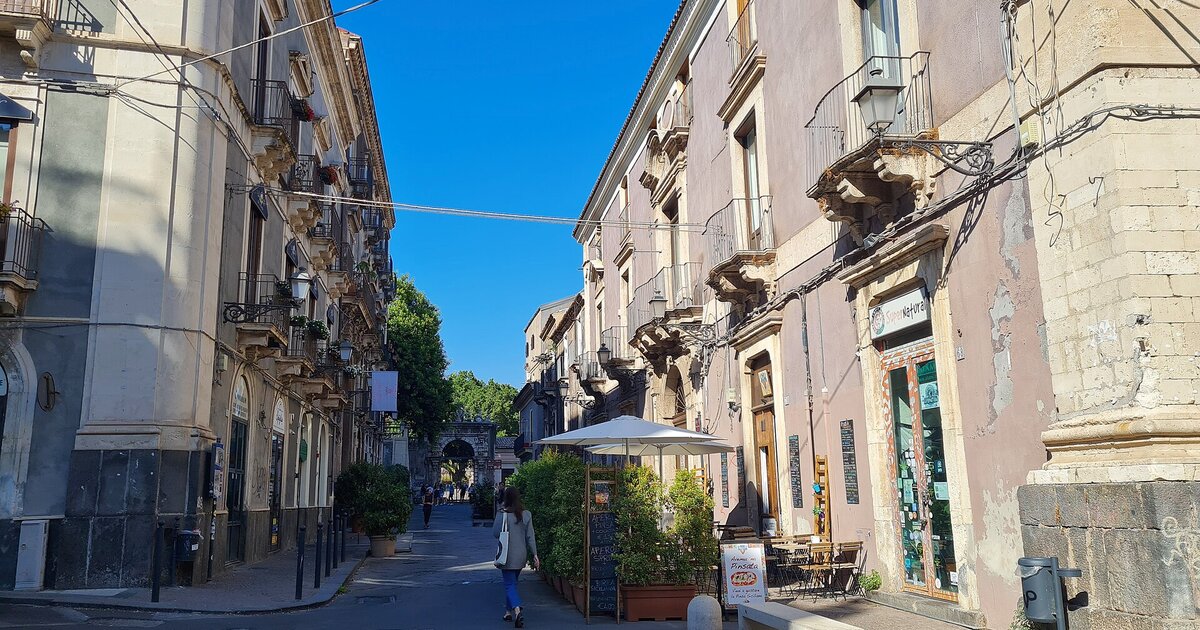
From there you head up towards Via dei Crociferi, the most beautiful baroque street in the city: a row of churches and convents all lined up in about 200 metres. Then, a little further up, you reach the Monastery of the Benedictines, one of the largest Benedictine complexes in Europe, today home to the university. Here I recommend the guided tour: it lasts about an hour and a half and takes you to places you wouldn't see on your own, including the monumental kitchens and the excavations under the floor.

Fabio's tip
On the Benedictines tour I'll give you a tip worth its weight in gold: there's no need to book days ahead. You book online that same morning, from the website of the Officine Culturali association, and almost always you find a spot for the afternoon. It costs a few euros and the guides are students who genuinely love this place. You can tell.
In the afternoon you walk back up Via Etnea, the main avenue, around 3 kilometres long with Etna framing the view at the end of the street. You stroll, pop into the shops, stop for a granita, and reach Villa Bellini, the city's historic garden, perfect for sitting in the shade for ten minutes. In the evening you head back towards Piazza del Duomo for dinner: the area is full of trattorias where you can eat pasta alla Norma and a proper fried fish platter.
Day 2: the volcano
The short answer is this: the second day belongs to Etna, and you give it the whole day. Don't try to squeeze it in, it's worth it.
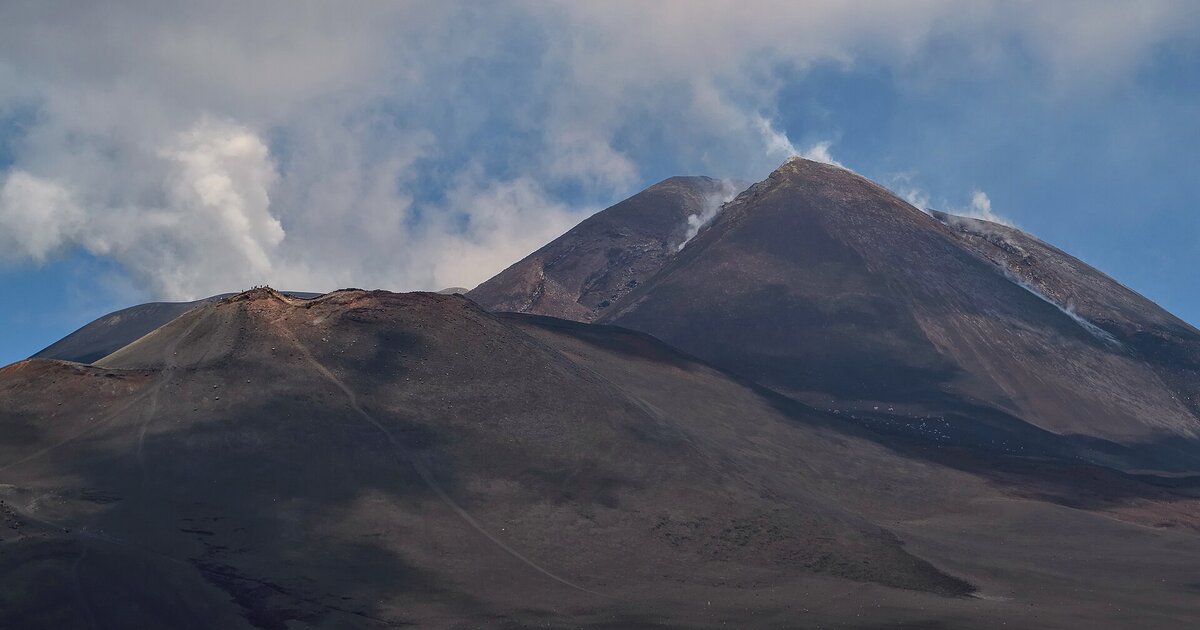
The simplest and cheapest way to go up without a car is the AST bus (the old GTT to people from Catania) that leaves from Via Etnea, in front of the central station, around 8:15 in the morning. In about two hours it takes you up to the Rifugio Sapienza, at 1,900 metres, and sets off again for the return trip in the early afternoon. It costs a few euros round trip, check the times the day before because they change between summer and winter.
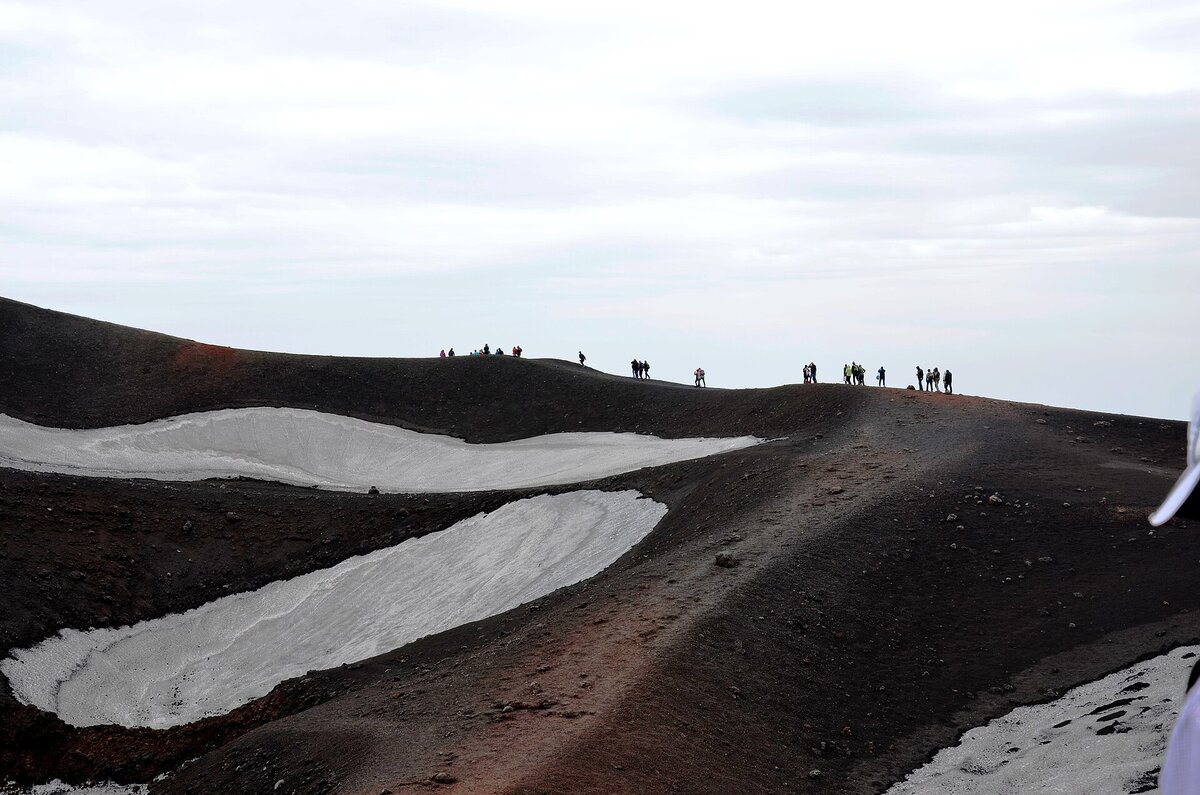
Once you're up there, you have the Crateri Silvestri right there, extinct craters you can walk around freely, with an incredible view over the lava flow and the sea down below. From here you have two options:
- Free trekking around the lower craters, free of charge, suitable for everyone, an hour or two is enough to enjoy the lunar landscape.
- Guided trekking at high altitude, going up with the cable car and then the 4x4s towards 2,900-3,000 metres, with a volcanologist guide. It costs more (around 60-70 euros all included) but if you want to get close to the summit craters it's the only safe and legal way.
For lunch you stop at the refuge or the kiosks up the mountain: a sausage sandwich, a hot dish, nothing gourmet but at 1,900 metres everything tastes completely different.
Fabio's tip
Dress in layers, always, even in summer. It sounds obvious but every year I see people go up in shorts and flip-flops in August and then stand there shivering. Up the mountain the temperature drops by as much as 10 degrees compared to the city, there's almost always wind and the sun burns. Bring a hoodie, a windproof jacket, closed shoes and a cap. Thank me later.
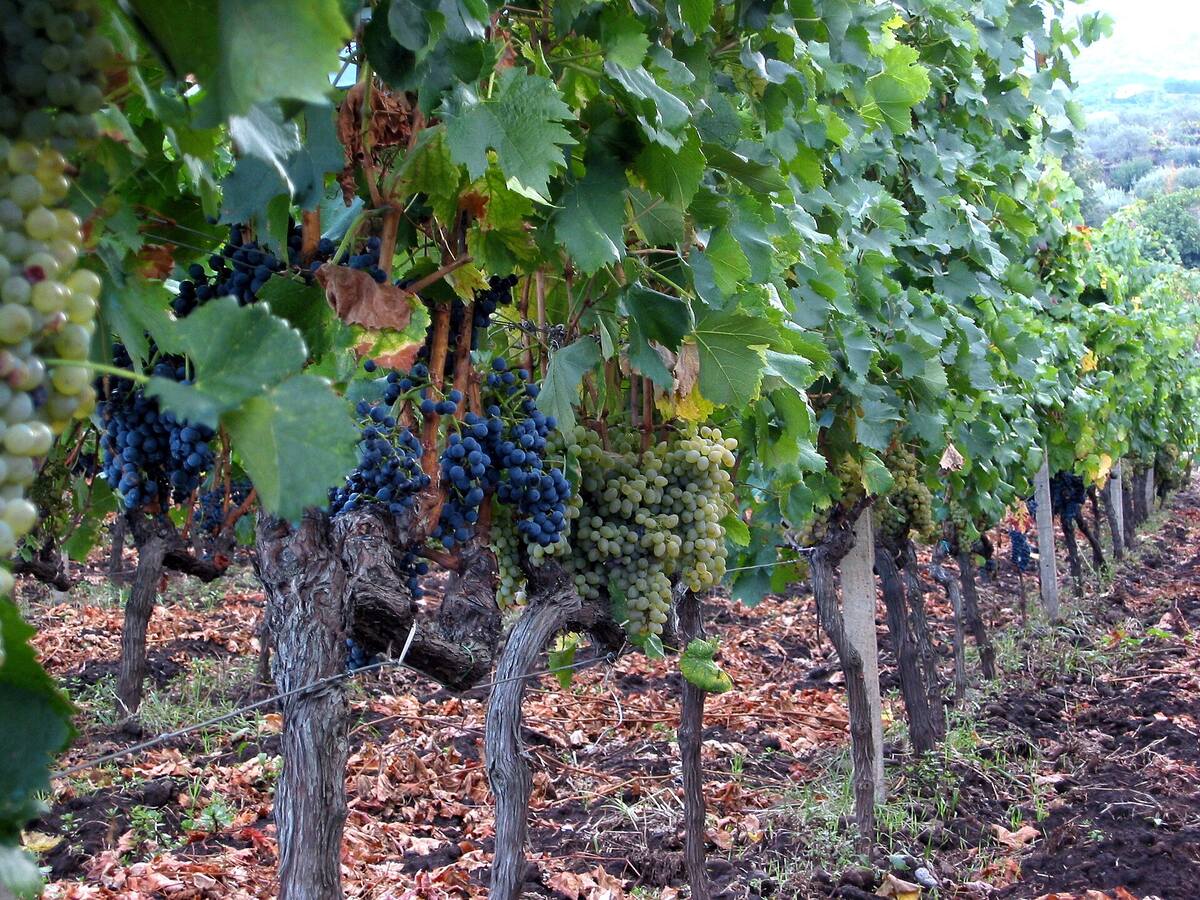
In the afternoon, if you've rented a car or booked a tour, head down towards the side with the wineries. Etna is an incredible wine area, wines like Etna Rosso from Nerello Mascalese grapes that grow on volcanic soils unique in the world. I recommend a visit with tasting at Benanti or at the Tenuta delle Terre Nere: book ahead, you'll pay around 25-40 euros per person and you drink while looking at the bush-trained vineyards clinging to the lava. You get back in the evening, tired and happy.
Day 3: the sea of the Riviera dei Ciclopi
The short answer is this: on the third day you head down to the sea, on the Riviera dei Ciclopi, a handful of kilometres north of Catania. Fishing villages, Greek myth and the freshest fish.
First stop Aci Castello, about 9 kilometres from the centre. Here you'll find the Norman castle built directly on the black lava rock, overlooking the sea. The ticket costs about 3 euros and from the top the view over the gulf is picture-perfect. You can see it in a good half hour.
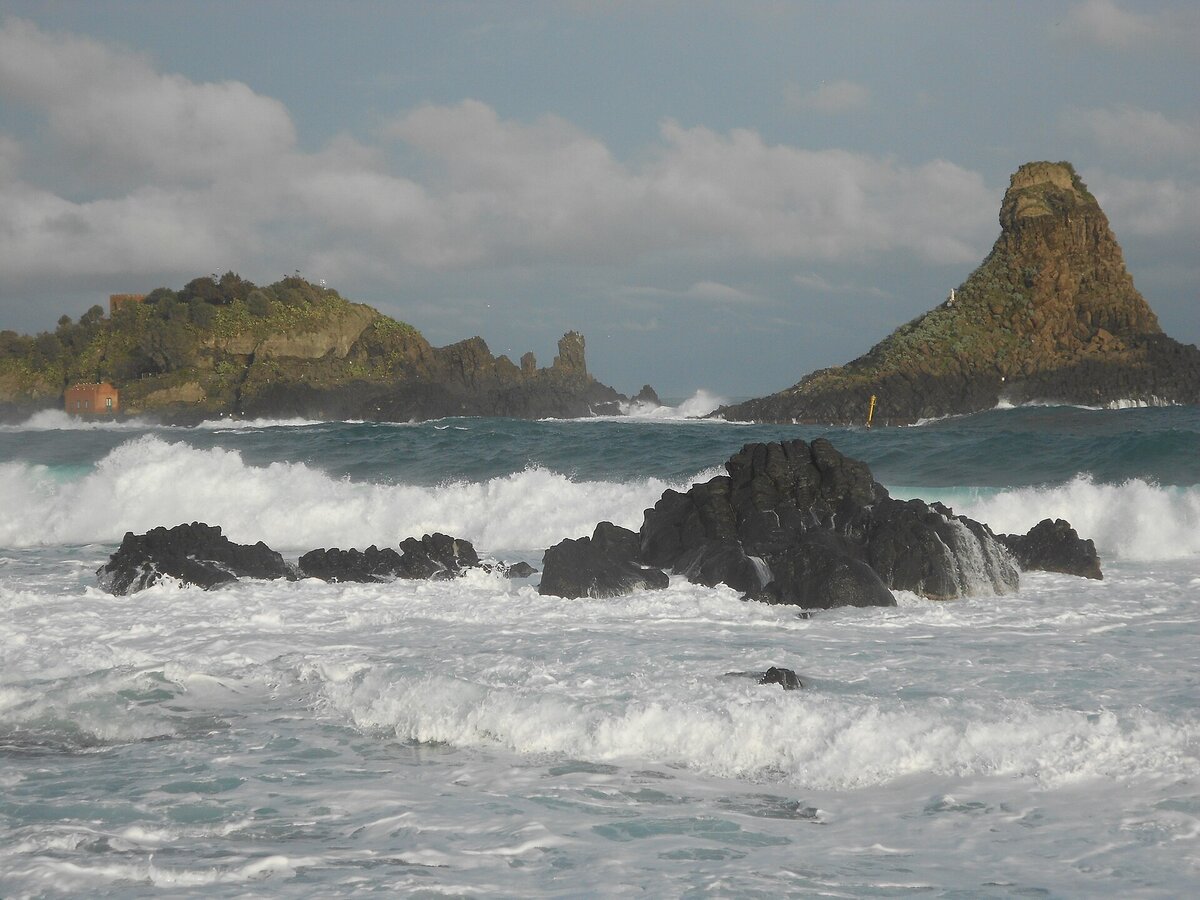
Then carry on a couple of kilometres to Aci Trezza and its Faraglioni dei Ciclopi: according to the myth, they're the boulders that the cyclops Polyphemus hurled at Ulysses as he fled, told by Homer in the Odyssey. There they are, black, planted in the blue sea, and it's one of the most scenic spots in the whole area. Verga even set "I Malavoglia" here, just to give you an idea.
At noon you sit down in a trattoria on the little harbour of Aci Trezza and have a serious fish lunch: spaghetti with sea urchins, a mixed fry, maybe some grilled fish. You'll spend a bit more than in the city centre, reckon on 30-40 euros per person, but you're right in front of the Faraglioni and it's worth it.
Fabio's tip
Getting to Aci Trezza without a car is dead easy. The AST bus leaves from Catania's bus station (near the central station) roughly every 20 minutes, takes around twenty minutes and costs about 1.90 euros each way. No parking to hunt for, no stress, you get off practically on the seafront.
The afternoon is for the beach. Here the coast is rocky, made of lava boulders, so pack a pair of water shoes. You'll find both free stretches and equipped lidos where you rent a sunbed and umbrella for 10-15 euros. You dive into crystal-clear water and swim looking at the Faraglioni. Before heading back to Catania, one last must-do ritual: a granita, almond or mulberry, with a brioche col tuppo. That's how you wrap it up in style.
Where to stay in Catania for 3 days
The short answer is this: stay in the centre, within walking distance of Piazza del Duomo. With an itinerary like this you move around a lot, and having your base in the heart of the city changes the whole holiday.
An apartment in the centre, compared to a hotel, gives you real advantages over three days:
- You walk home after dinner, no taxi and no worries, the trattorias and bars are right downstairs.
- You have a kitchen: you can make breakfast at your own pace and maybe polish off that bottle of Etna Rosso bought at the winery.
- You're close both to the buses for Etna (Via Etnea) and to the bus station for Aci Trezza, so the day trips out of town start off smoothly.
- You have more space to hang out the damp Etna hoodie and the water shoes.
The Lavika Loft is exactly this: an apartment in the old town, a stone's throw from the Pescheria and Via Etnea, designed for those who want to live Catania from the inside and not as a passing tourist. If your dates work out, take a look at availability and feel free to write to me, I always answer in person.
And if Etna intrigues you even more, I recommend reading the dedicated guide to the Etna excursion from Catania, where I go into detail on the cable car, guides and high altitudes.
Frequently asked questions
Can you do both Etna and the sea in the same 3-day trip?
Yes, and in fact that's exactly the beauty of 3 days in Catania. You dedicate a full day to Etna (the second day) and one to the sea of the Riviera dei Ciclopi (the third). They're two opposite worlds less than an hour apart from each other: in the morning you can be at 1,900 metres among the craters and the next day swimming in front of the Faraglioni. It's one of the things that makes Catania so special.
Is it better to rent a car or get around by public transport?
It depends on the day. For the old town a car is useless, in fact it's a problem (restricted traffic zone and expensive parking), you get around entirely on foot. For Etna and for Aci Trezza the AST buses work well and cost very little (1-2 euros each way). I only recommend a car if you want to visit the Etna wineries in the afternoon of the second day or explore the coastal villages at your leisure. For many guests, public transport and the odd taxi are more than enough for 3 days.
How many euros a day do you spend in Catania?
Catania is an affordable city. Excluding accommodation, reckon on around 50-70 euros a day per person to eat well (breakfast with granita 3-4 euros, a quick lunch 10-15 euros, dinner in a trattoria 25-35 euros). The Etna day you spend more if you do the guided trekking at high altitude (60-70 euros) or the winery tasting (25-40 euros). Public transport barely makes a dent. In general it's one of the Italian destinations where you eat like a king while spending little.
What absolutely must you eat in Catania?
A short but sacred list: pasta alla Norma (with fried aubergines, salted ricotta and tomato), arancini (with ragù or pistachio), granita with brioche col tuppo for breakfast (almond, pistachio or mulberry), the fish from the Pescheria and, if you pass a kiosk, a seltzer drink with lemon and salt. For dessert, cassata and cannoli. You won't go home hungry, guaranteed.
Can Taormina be visited on a day trip from Catania?
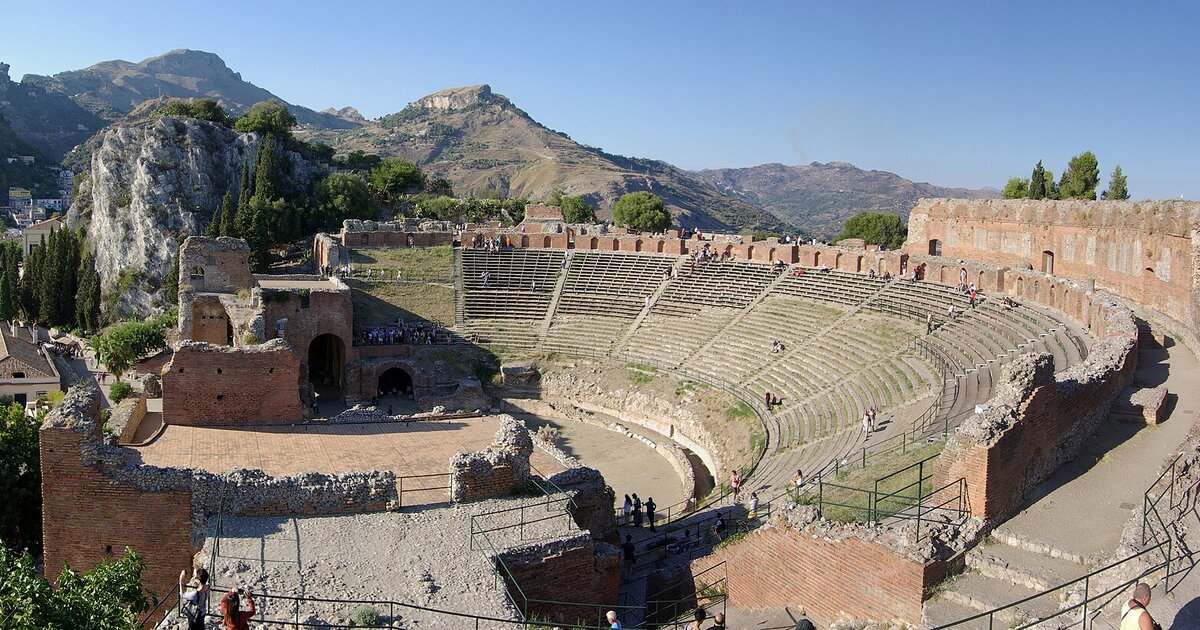
Yes, Taormina is about 50 kilometres away and reachable by train (about an hour) or by direct bus. It's perfect for a day trip. But beware: in a 3-day itinerary like this there's no room, because the days are already full between the centre, Etna and the sea. If Taormina really interests you, consider extending your stay to 4 days, so you can fit it in without giving up the rest.