Catania, Sicily: a whole week here under Etna is the kind of trip that changes the way you see Italy. I'm not talking about the usual hit-and-run weekend, but seven real days, where you have time to slow down, to go back twice to the same bar because you loved the granita, to hop on a train to Syracuse without the stress of having to rush back.
I'm Fabio, I host the people who come to stay at Lavika Loft in the old town, and let me tell you one thing: whoever stays a week leaves different from how they arrived. Eastern Sicily isn't a list of things to tick off, it's a rhythm to settle into. In this guide I'll tell you day by day how I'd live it myself, with real prices, public transport, and those little details you usually only discover after you've been here three days.
Day 1: arrive, eat, explore
The question everyone asks me as soon as they write is: what do I do on the first day? The short answer is this: as little as possible, and all on foot.
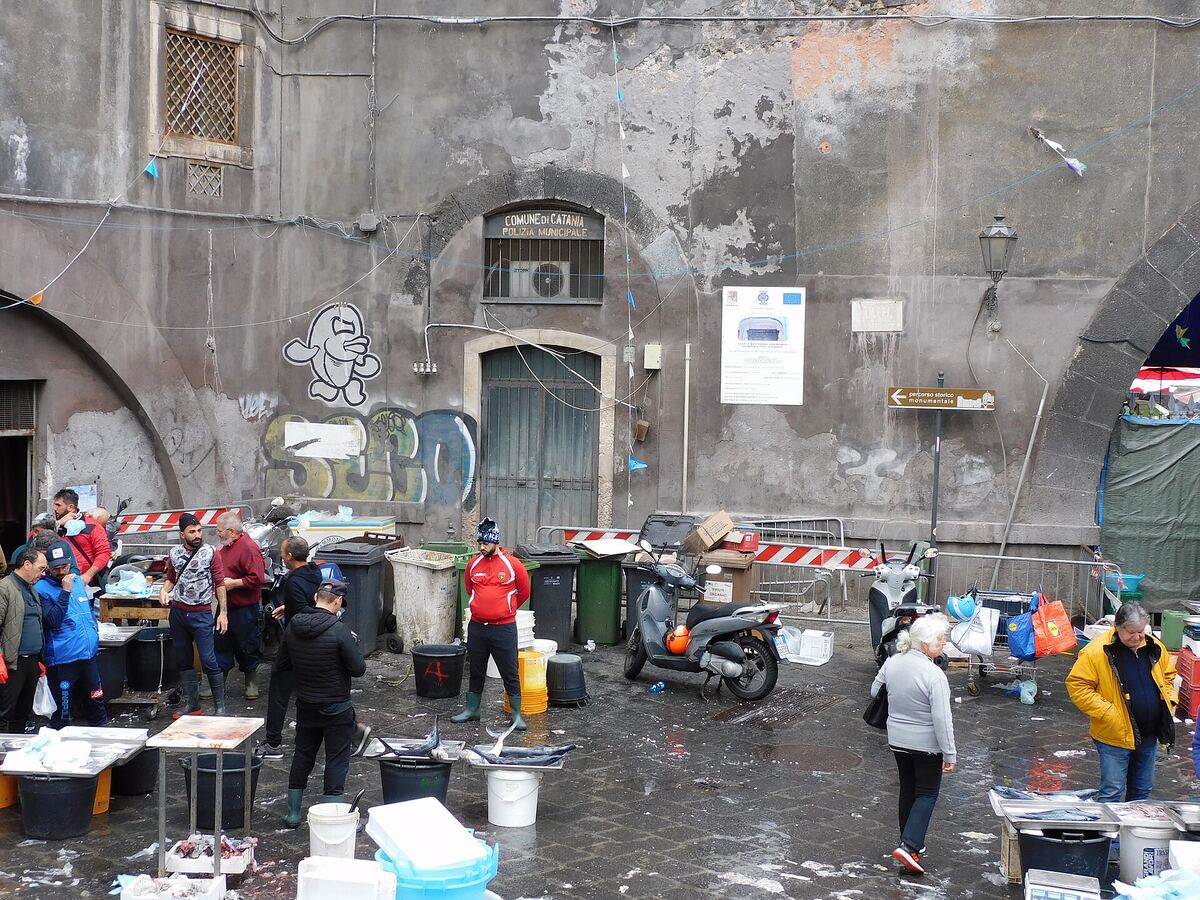
Seriously. You don't plan the first day. You arrive, drop your luggage (if you come by train or from the airport you're in the centre in 20 minutes) and free up your hands. The first stop is always the same: the fish market, behind Piazza del Duomo. It's a beautiful chaos of voices, swordfish, whole tuna, stalls of olives and cheeses. You don't have to buy anything, you just have to walk into it and get a feel for the mood of this city.
Then the real rite of passage: an arancino (here in Catania it's masculine, "arancino", and don't you dare call it anything else) and a granita with a brioche. Almond or pistachio for the granita, ragù or spinach for the arancino. You're talking 3-4 euros a head and you've already eaten better than in half of Europe.
In the afternoon you just walk. Via Etnea, the squares, you get a sense of the city's geography without a rigid map. You close the evening with a pasta alla Norma (fried aubergine, tomato, salted ricotta, basil) and an ice-cold birra Messina. The cost of an honest dinner in a trattoria: 20-25 euros a head.

Fabio's tip
The only rule of the first day is this: don't be in a hurry. Catania isn't visited, it's walked. If you rush around with the list in your hand you'll miss exactly the thing you came to find. Leave your phone in your pocket and follow the noise of the market.
Day 2: the UNESCO old town, no rush
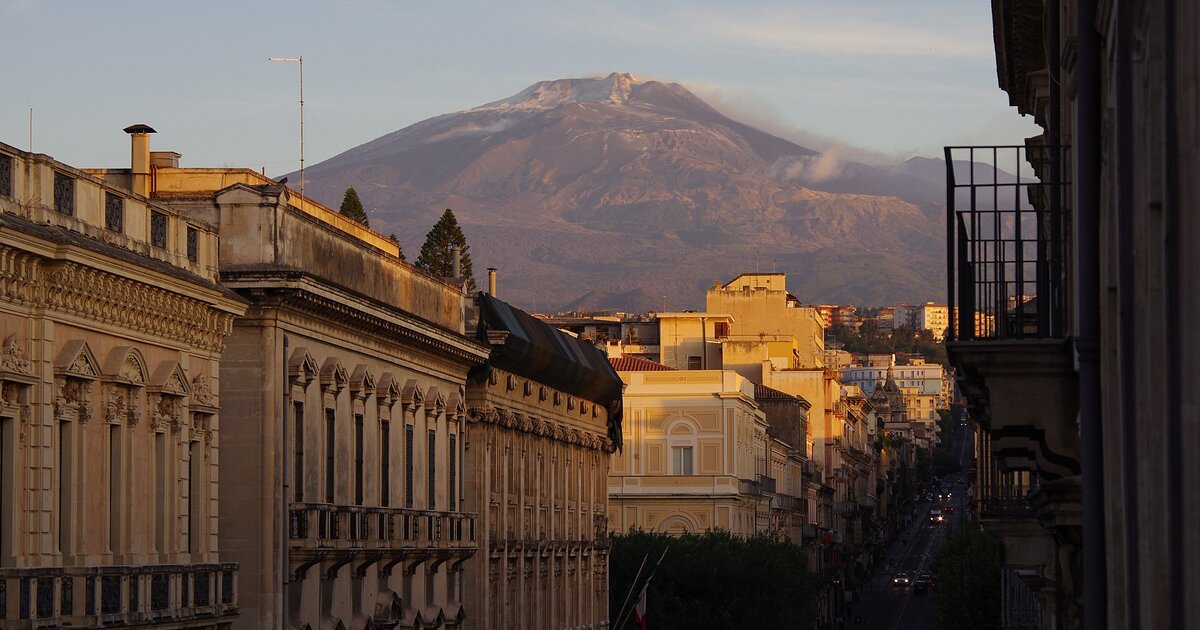
Catania is a UNESCO heritage site for its black baroque, built with lava stone after the 1693 earthquake. The second day is dedicated to this, but at a calm pace.
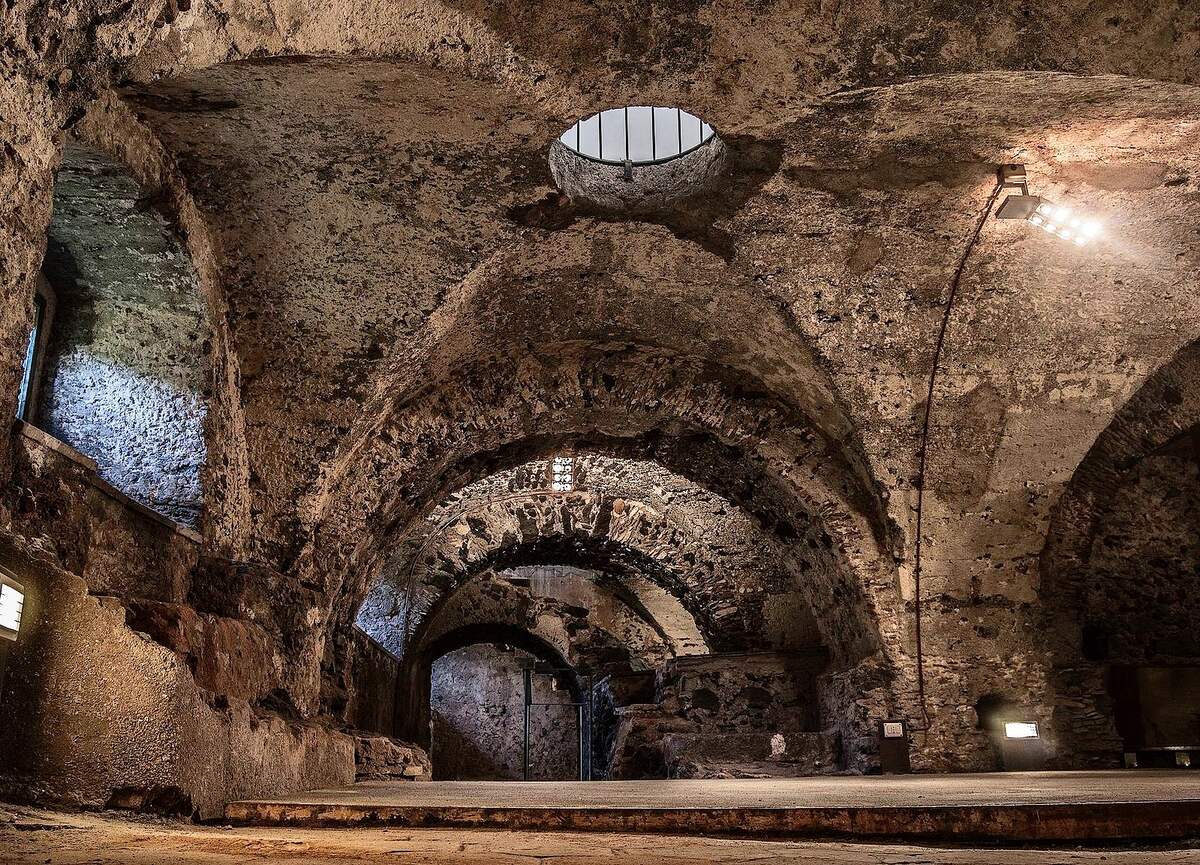
You start from the Benedictine Monastery, one of the largest monastic complexes in Europe, today home to the university. Here's a practical tip: book the guided tour, because on your own you'll miss half the stories. It costs around 7-8 euros and lasts about an hour. It's an incredible labyrinth of cloisters, monumental kitchens and excavations beneath the floor.
From there you head down towards Via dei Crociferi, the most scenic baroque street in the city, one church after another. You arrive in Piazza del Duomo with the Elephant fountain (u Liotru, the symbol of Catania) and you sit down. In the afternoon take a stroll through Villa Bellini, the historic public garden, perfect for a moment in the shade.
Pass by the Teatro Massimo Bellini, even just for the exterior. And here let me open a little aside.
Fabio's tip
The Teatro Massimo Bellini is one of the most beautiful in Italy, I say that as a biased Catanese. If there's an opera or a concert during your week, grab the tickets without thinking twice. Seeing it from inside, with that hall all red and gold, is an experience that's worth the trip.
You close the day at Castello Ursino, the 13th-century Swabian castle that today houses the civic museum. Entrance around 6 euros. Just think: before 1669 it was on the sea, then Etna's lava flow surrounded it with land. Sicily is this too.
Day 3: Etna
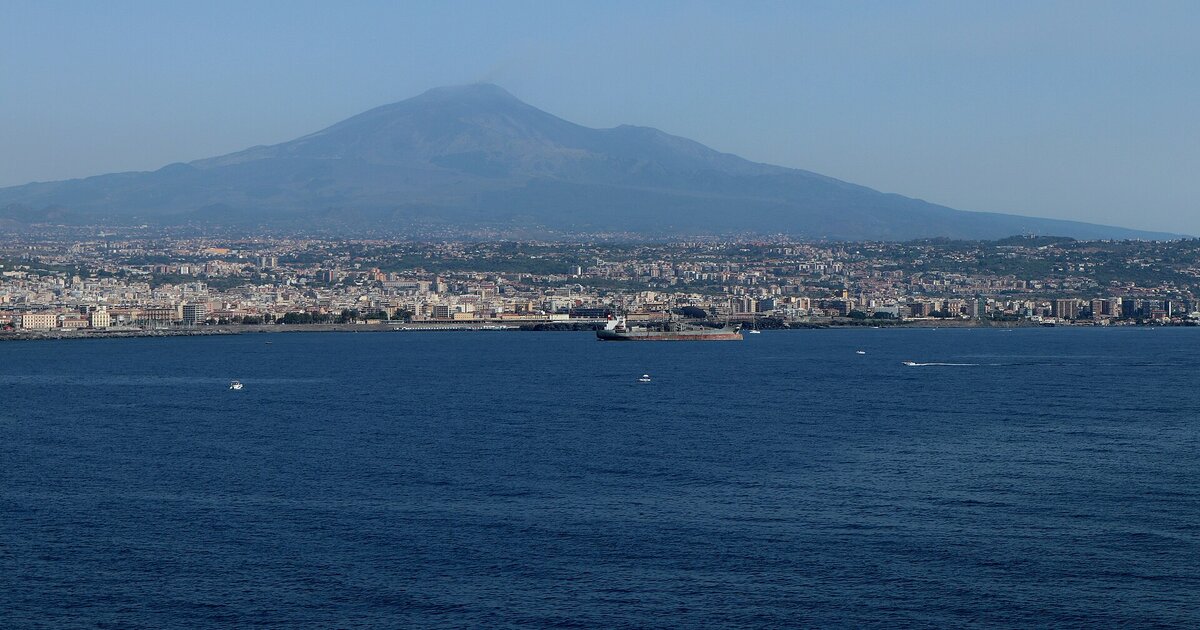
People often ask me whether it's worth climbing Etna or whether it's enough to look at it from below. The short answer is this: you have to go up, it's the reason half the city smells of stone and wine.
The full version of the day. In the morning you take the AST bus from Via Etnea, it leaves around 8:15 and takes you up to Rifugio Sapienza in about two hours. The round trip costs around 7-8 euros, it brings you back down in the afternoon. You don't need a car and you enjoy the view without driving the hairpin bends.
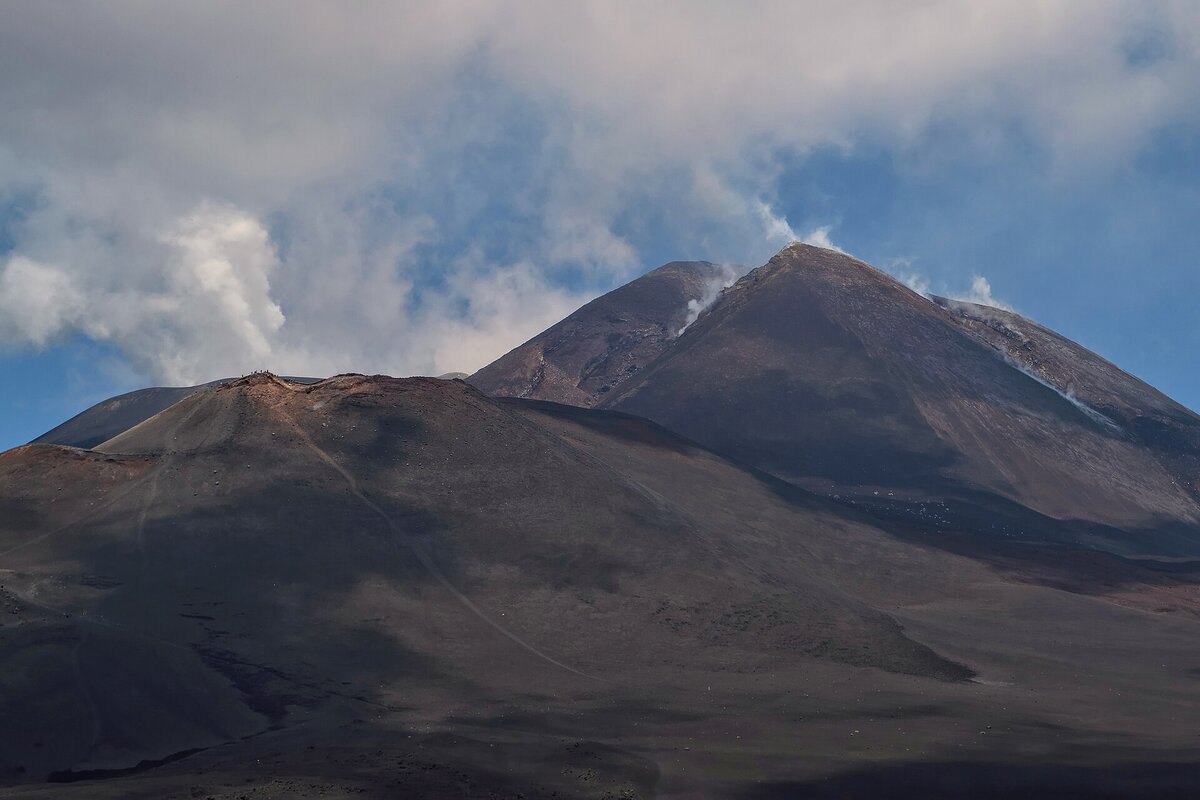
From Rifugio Sapienza you can walk up to the Silvestri Craters, at about 1,900 metres: they are extinct craters you can walk around for free, with black lava under your feet and the gulf of Catania below you. If you want to go higher towards 3,000 metres there's the cable car plus the off-road vehicle with a guide, but it costs quite a lot (over 60-70 euros) and with a week available the Silvestri craters on their own are already a fine spectacle.
The afternoon, and this is the secret, you dedicate to an Etna winery. The wines of Etna are among the best in Italy, born on volcanic soil at 700-900 metres of altitude. A tasting with a cellar visit on the northern slopes costs around 25-35 euros and explains to you why the wine here tastes of ash and fruit at the same time. Book in advance, the small wineries don't improvise.
Day 4: Taormina and the Alcantara Gorges
A day trip towards the north, and this pairing is perfect because it combines the most famous postcard of Sicily with a place almost no one expects.
Taormina you already know from the photos: the Greek Theatre perched over the sea with Etna in the background is one of the most beautiful views in the Mediterranean. The ticket costs about 10 euros and is worth every cent. The rest of the town is elegant, a bit touristy, but a stroll along Corso Umberto and a coffee in Piazza IX Aprile always work.
In the afternoon you head down to the Alcantara Gorges, a basalt canyon carved by the river between walls of cooled lava that look like organ pipes. The water is freezing even in summer, but dipping your feet in among those black rocks is an experience. Access to the public path costs very little, around 3 euros (there's also a more expensive private park, but the municipal one is more than enough). For this day a car or an organised tour helps, because the connections between Taormina and the Gorges by public transport aren't all that convenient.
Day 5: Syracuse
How far is Syracuse and can you do it without a car? The short answer is this: 60 km, about an hour by train at 7 euros, and you can do it perfectly well by public transport.
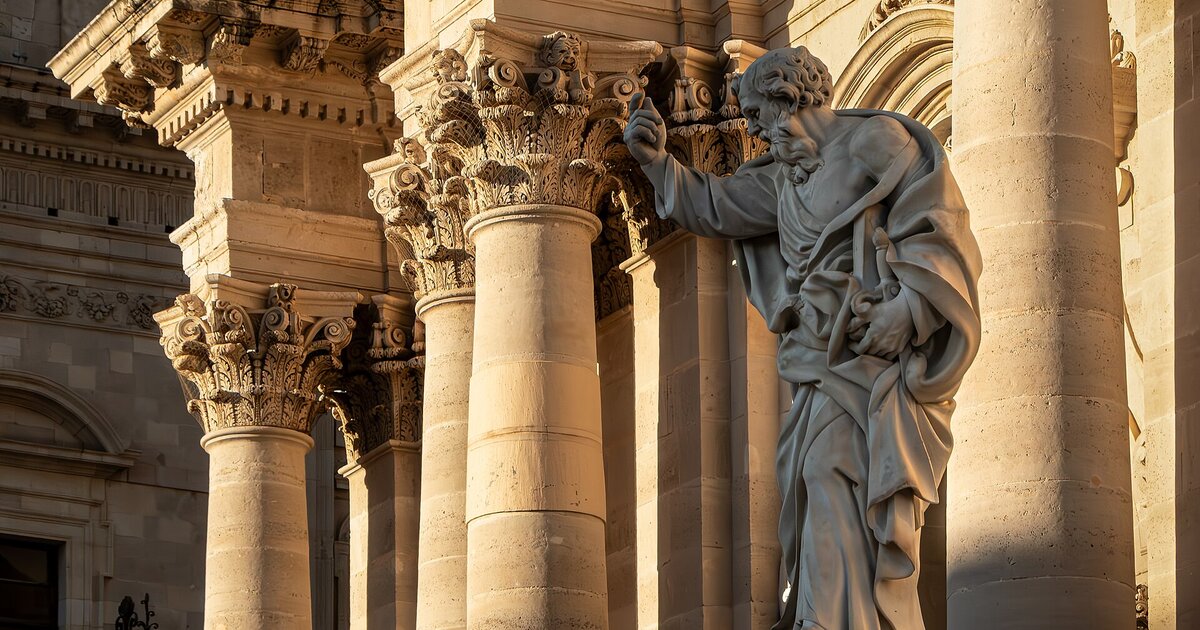
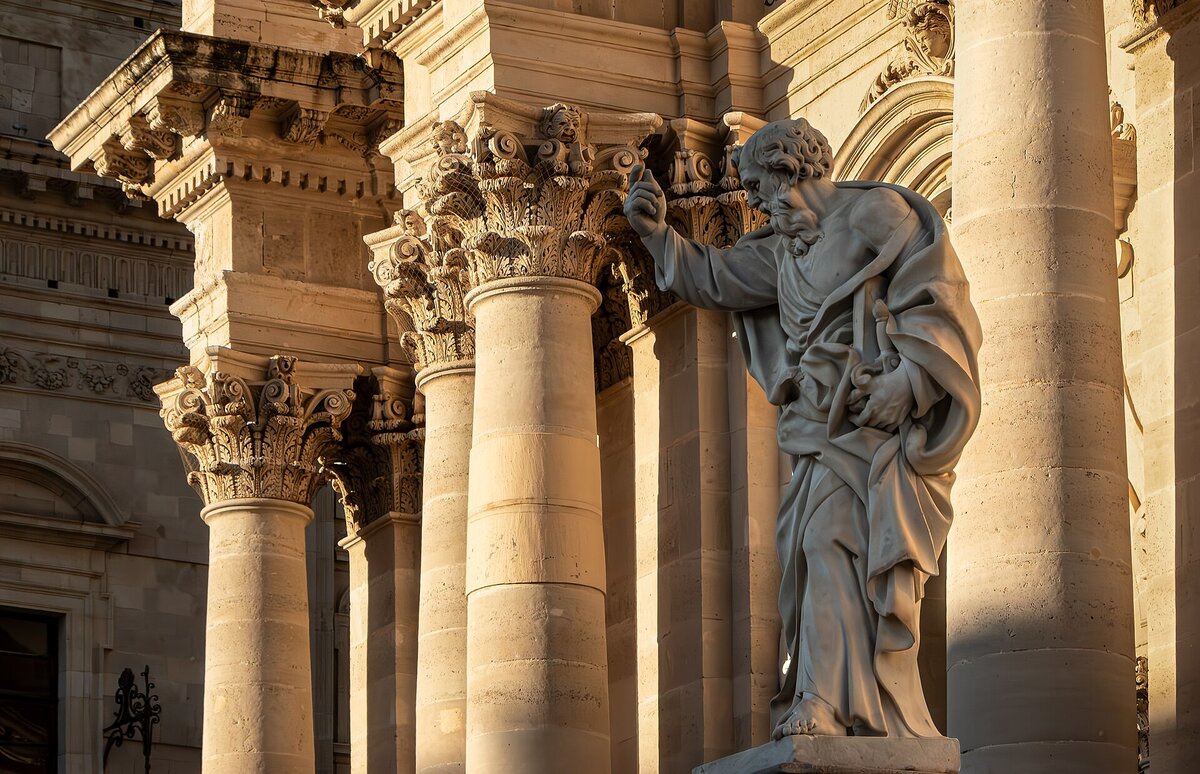
The full version. You take the regional train from Catania station in the morning, in an hour you're in Syracuse for about 7 euros each way. From the station you reach Ortigia on foot (or by city bus), the ancient heart of the city. Here you lose yourself among alleys, the market, the Arethusa spring and above all Piazza del Duomo, one of the most beautiful in Italy: the cathedral is literally built inside a Greek temple dedicated to Athena, the Doric columns are still embedded in the walls.
In the afternoon you cross the city to the Neapolis Archaeological Park. Here is the Greek Theatre, one of the largest in the ancient world, where classical tragedies are still staged in summer today. In the same park you'll find the Ear of Dionysius, a cave with crazy acoustics. The park ticket costs about 13.50 euros. You head back to Catania on the evening train, tired but happy.
Day 6: the Val di Noto (Noto, Modica, Ragusa Ibla)
This is the day of golden baroque, the one of south-eastern Sicily, completely different from the black stone of Catania. Three towns in one day are a lot, so for this loop a car or a tour really helps.
You start from Noto, the capital of Sicilian baroque. Corso Vittorio Emanuele is one continuous succession of honey-coloured churches and palaces that look golden in the sun. The cathedral and the staircase are an obligatory photo.
Then Modica, the city of chocolate. Here they make cold-processed chocolate with a method that comes from the Aztecs via Spanish rule: grainy, intense, with no added cocoa butter. The stop is Antica Dolceria Bonajuto, which has been making it since 1880. Get the cinnamon, chilli and vanilla bars: they're the best souvenir you can bring home.
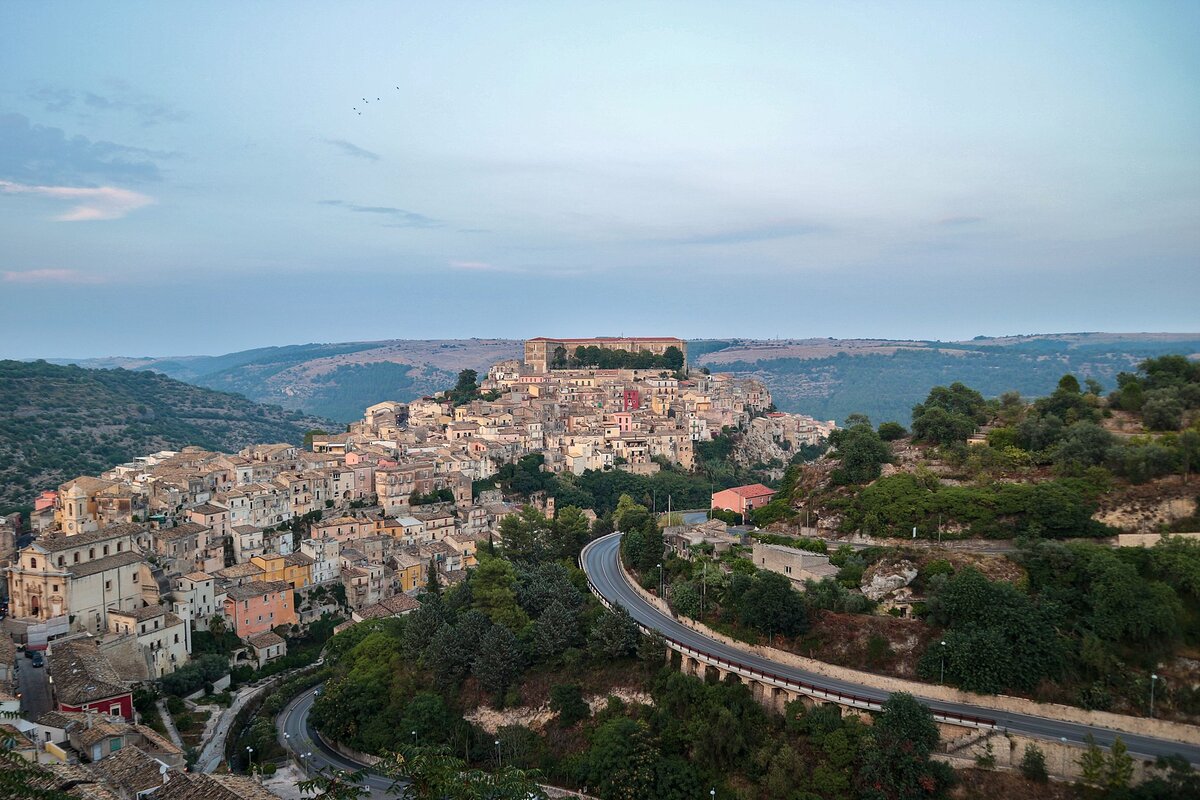
You close with Ragusa Ibla at sunset, and this is no accident.
Fabio's tip
If for reasons of time you have to choose a single town in the Val di Noto, choose Ragusa Ibla. It's less known than the others, less besieged, and worth double. Arriving up there as the sun goes down and the lights come on over the old town with the Cathedral of San Giorgio in the distance is one of those moments you carry with you for years.
Day 7: beaches, markets and a final granita
Last day, and after six intense days you've earned a quiet one. You spend the morning at the market, the afternoon at the sea, the evening at the table one last time.
Go to the Fera o Luni market, in Piazza Carlo Alberto. It's open every day except Sunday, roughly from 7 to 13. Here you don't buy postcards, you buy real stuff: seasoned olives, cheeses (ask for the pecorino and the provola from the Nebrodi), almonds from Avola, capers, sun-dried tomatoes. All the kind of stuff you bring home and that makes you miss Sicily every time you open the jar.
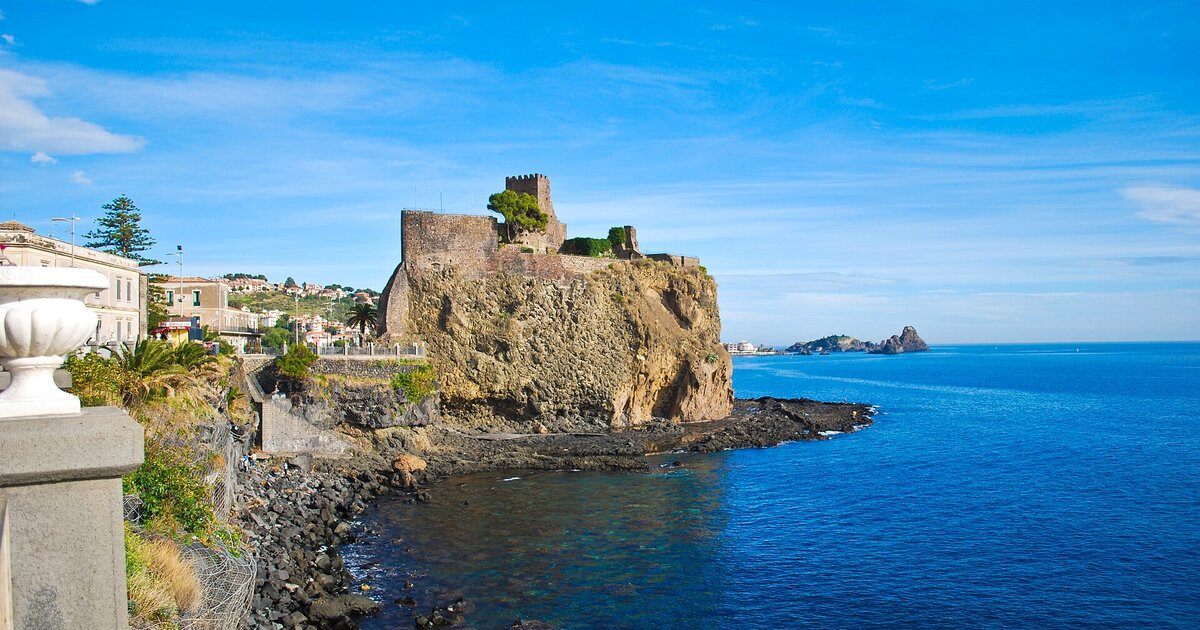
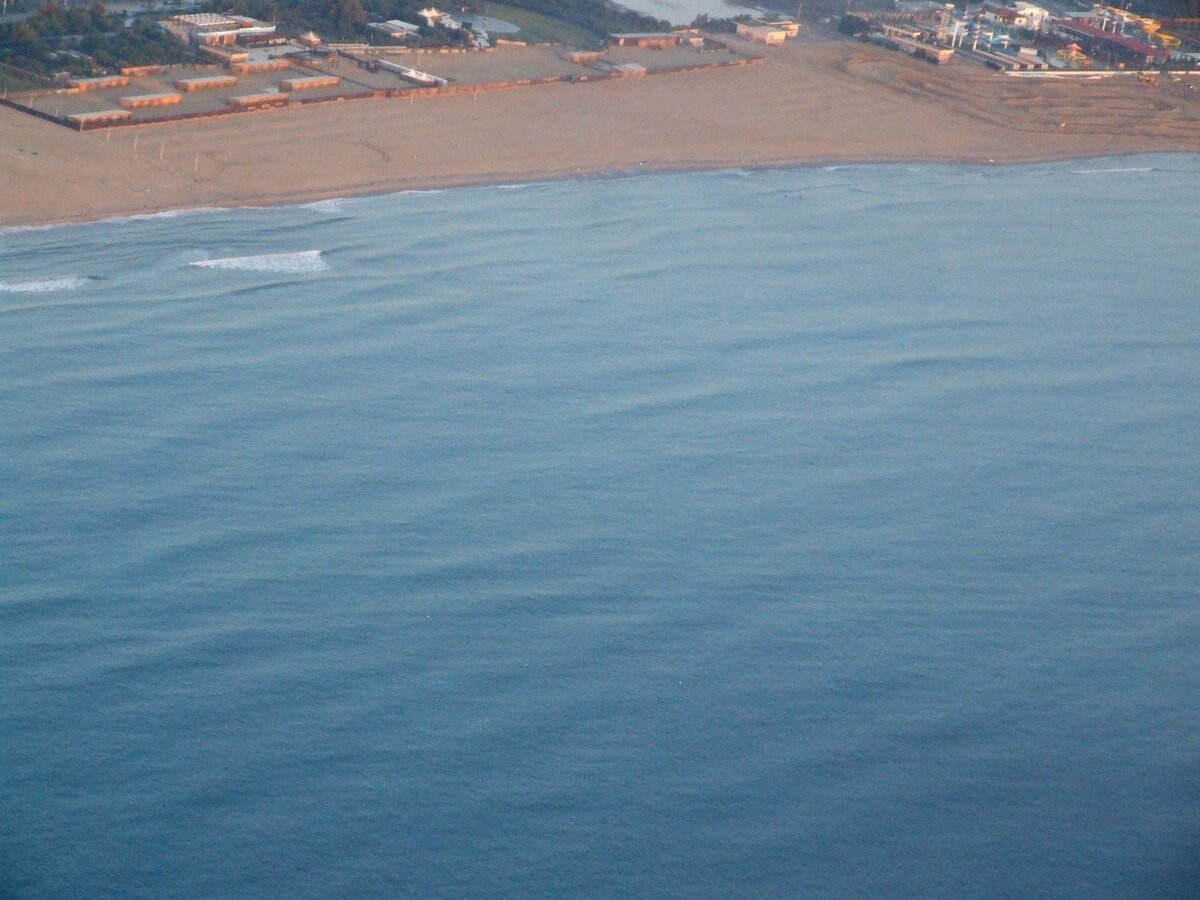
In the afternoon choose between two different seas. The Plaia is Catania's sandy beach, long and easy, you can even get there by bus. The Riviera dei Ciclopi to the north (Aci Trezza, Aci Castello) is black rocks instead and the famous sea stacks that, according to legend, Polyphemus hurled at Ulysses.
In the evening, the final dinner. Go back to a trattoria in the centre, order the fresh fish caught at the fish market in the morning, and close it all with one last granita, maybe mulberry if it's in season. It's the right way to say goodbye to the city.
Where to stay for a week in Catania
For a week my advice is clear-cut: get an apartment in the centre, not a hotel. The reasons are practical.
- The kitchen changes everything. Have breakfast at home with the stuff bought at the market (fruit, fresh ricotta, bread) instead of paying 10 euros a head every morning at the bar.
- Shopping at the markets. With the fish market and the Fera o Luni just steps away, you can cook a few dinners yourself with fish and vegetables of the day, spending a fraction of a restaurant.
- The saving is real. Over seven nights, between breakfasts and a few dinners at home, a family or a couple easily saves 150-200 euros compared to a week all at the restaurant and in a hotel.
- You stay in the centre. You walk home after dinner, you set off on foot for the train or the Etna bus, you live the city instead of looking at it from the window of a hotel on the outskirts.
The Lavika Loft is exactly this: an apartment in the old town, with a kitchen, a few minutes from the fish market, Via Etnea and the stops for Syracuse and Etna. If you want to see whether it's free on your dates, take a look at the availability.
Budget for a week in Catania
Let's put the numbers on the table. This is a realistic estimate for 2 people, 7 days, travelling by public transport and eating well but without going overboard. It excludes the flights to get to Sicily.
| Item | Estimated cost (2 people) |
|---|---|
| Accommodation (7 nights, apartment in the centre) | 560 - 770 euros |
| Local transport (buses, Syracuse trains, Etna) | 80 - 120 euros |
| Attraction tickets (Benedictines, Castle, Taormina, Neapolis) | 120 - 150 euros |
| Food (breakfasts, lunches, dinners, granitas) | 350 - 450 euros |
| Excursions (Etna winery, Val di Noto tour, Gorges) | 150 - 220 euros |
| Estimated total | 1,260 - 1,710 euros |
As you can see, a whole week in eastern Sicily for two people stays under 1,700 euros all in (flights aside). By cooking more at home and choosing the Silvestri Craters instead of the cable car, you comfortably stay on the lower end.
If seven days seem too many, I've also written shorter guides: take a look at what to do in Catania in 6 days, the 5-day version or the classic weekend in Catania if you only have a weekend.
Frequently asked questions
Is it worth renting a car for a week in Sicily?
It depends on your plan. For the city of Catania, Etna (with the AST bus) and Syracuse (by train) a car isn't needed and in the centre it's actually a problem for parking and the restricted traffic zone. It becomes useful for the days out: the Val di Noto (Noto, Modica, Ragusa) and the Taormina plus Alcantara Gorges combination are much more convenient by car. A clever solution is to rent the car only for those 2 days and do the rest by public transport: you spend around 50-70 euros a day instead of for the whole week.
How much does a week in Catania cost in total?
For 2 people, travelling by public transport and eating well, count on between 1,260 and 1,710 euros all in (flights excluded). The biggest item is the accommodation, followed by food. By cooking a few meals at home with shopping done at the markets and choosing the free or cheap attractions (like the Silvestri Craters on Etna) you easily come in on the lower end.
Can eastern Sicily be done by public transport only?
For the most part, yes. Catania, Syracuse and Etna are perfectly reachable by train and bus, convenient and cheap. The only days where public transport becomes awkward are the Val di Noto and the Taormina plus Alcantara Gorges combination: there it's worth renting a car for those days or taking an organised tour leaving from Catania.
What's the best time to visit Catania?
Spring (April-June) and early autumn (September-October) are ideal: warm but not scorching weather, the sea still enjoyable, fewer crowds. July and August are very hot and crowded, especially in Taormina and at the beach. Winter is mild and great for the city and for culture, but on Etna you'll find snow and a few more excursions closed.
Can you combine eastern Sicily with Palermo in one week?
You can, but you lose more than you gain. Palermo is at the other end of the island, about 2 and a half to 3 hours by train or car from Catania, and it deserves at least 2-3 days of its own. In a single week you'd end up rushing. My advice is to dedicate the seven days entirely to eastern Sicily, which is already incredibly rich, and keep Palermo and the west for a later trip.
Is Catania suitable for a solo trip?
Absolutely yes. It's a lively, cheap and well-connected city, with markets, places to go out and day trips easy to organise even on your own by public transport. The old town is compact and you get around on foot, and people are sociable. An apartment in the centre gives you the perfect base to explore independently without depending on anyone.
What to buy as a souvenir in Catania?
Things to eat, mostly. The Modica chocolate from Bonajuto, the Bronte pistachio (creams, grains, pesto), the Avola almonds, seasoned olives and cheeses picked up at the Fera o Luni market, a bottle of Etna wine or of Passito. As an object, the ceramics of Caltagirone and a small reproduction of the little elephant that's the city's symbol. These are real gifts, not tourist tat.