Catania, Sicily: a city that's a joy to explore on foot, with the sea just steps away and Etna as a backdrop. If you're looking for a place to stay, the first question to ask yourself isn't "which hotel" but "which area, and how much freedom do I want to move around with". I live here and I've been welcoming travellers at Lavika Loft for years, and I'll tell you straight away: given how Catania is built, an apartment or a loft in the centre often beats a hotel.
The reason is simple. Catania is a real city, made of markets, bakeries, bars where you grab a granita in the morning. Having a kitchen, being able to come back whenever you like and doing self check-in at any hour completely changes the experience. No reception to keep to, no rigid timetables, no breakfast at an anonymous buffet. In this article I'll explain the best areas, what to look for in a place to stay, how much it really costs and when to book. If you want a more detailed comparison between the two options, I covered it at length in apartment or hotel in Catania.
What are the best areas to stay in Catania?
The short answer is this: if it's your first time in Catania, stay in the old town, between Piazza del Duomo and Via Etnea. From there you can reach everything on foot and you won't need a car. Let's look at the three areas I really recommend.
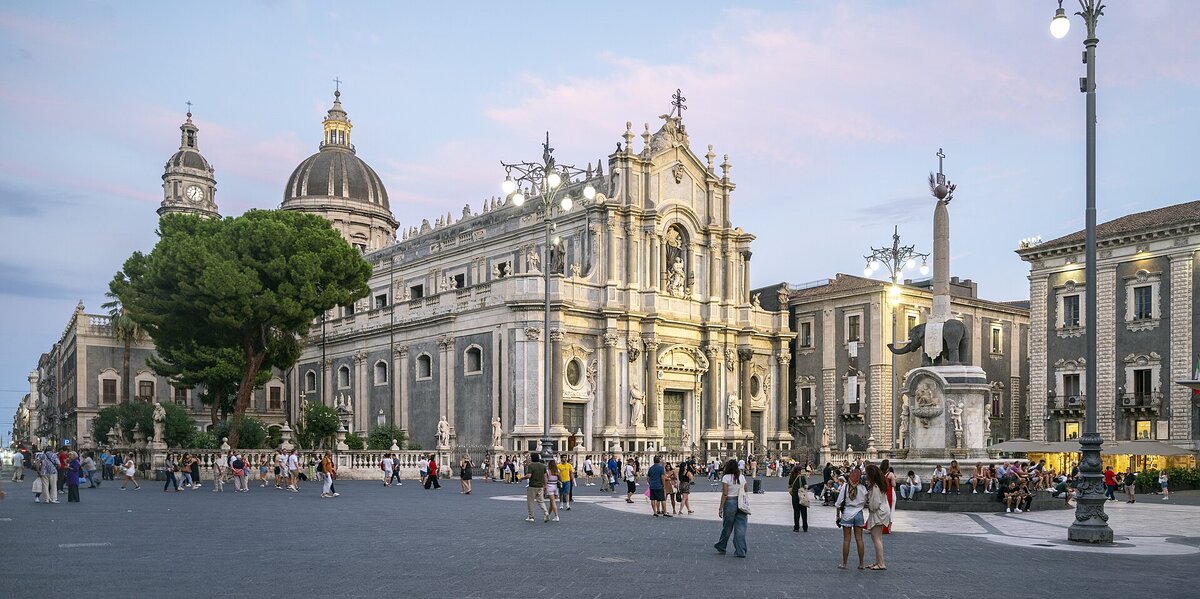
Old town (Piazza Duomo, Via dei Crociferi). It's the heart of the city, the baroque, UNESCO-listed part. From here you're 2 minutes on foot from the Pescheria (the fish market), 5 minutes from Castello Ursino and a stone's throw from the Cathedral of Sant'Agata. Via dei Crociferi, with its line of churches, is one of the most beautiful streets in all of Sicily. Pros: you walk everywhere, you're immersed in the atmosphere, you have bars and restaurants right downstairs. Cons: on weekend evenings it can be lively, so the soundproofing of your place matters.
Via Etnea and around. It's the great shopping artery that runs straight up towards Etna. Staying here or in the side streets means having shops, historic cafés and Villa Bellini (the city park) within reach. Pros: super convenient, always buzzing, well connected. Cons: the upper part is a bit further from the baroque attractions, but we're still talking about a 10-15 minute walk.
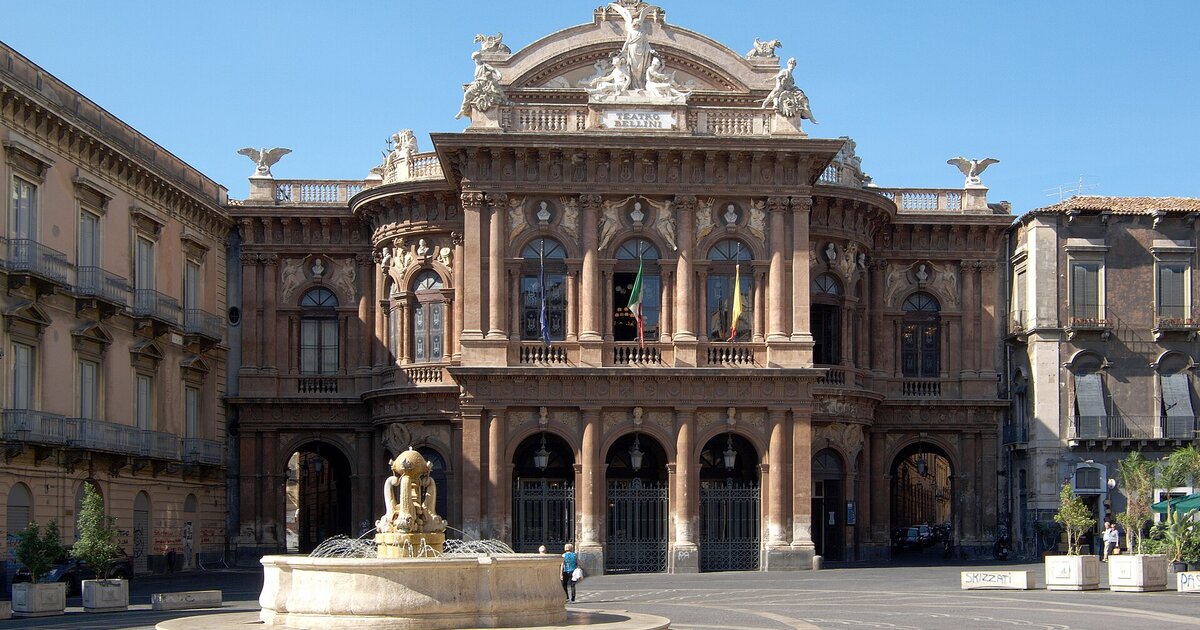
Teatro Massimo Bellini area. Slightly quieter and more residential, but still very central. You're a 5-7 minute walk from Piazza Duomo, in an elegant area with the opera house and plenty of small, authentic trattorias. Pros: less chaotic in the evening, a great compromise. Cons: a few euros more than the more outlying areas.
The areas I'd avoid for a first visit are those around the central station and the more outer neighbourhoods: you save little and lose the pleasure of getting around on foot. To get a sense of what you'll have around you, take a look at what to see in Catania.

Fabio's tip
If I have to give you just one piece of advice on the area, I'll give it without hesitation: go for the area around Piazza Duomo and Via dei Crociferi. From there you can explore the whole centre on foot, in a few minutes you're at the Pescheria for a savoury breakfast and in the evening you walk back home. It's hands down the most convenient base, take it from someone who lives here.
What to look for in a loft or apartment in Catania?
In practice: not all apartments are the same, and some details make a huge difference to your stay. Here's my local's checklist.
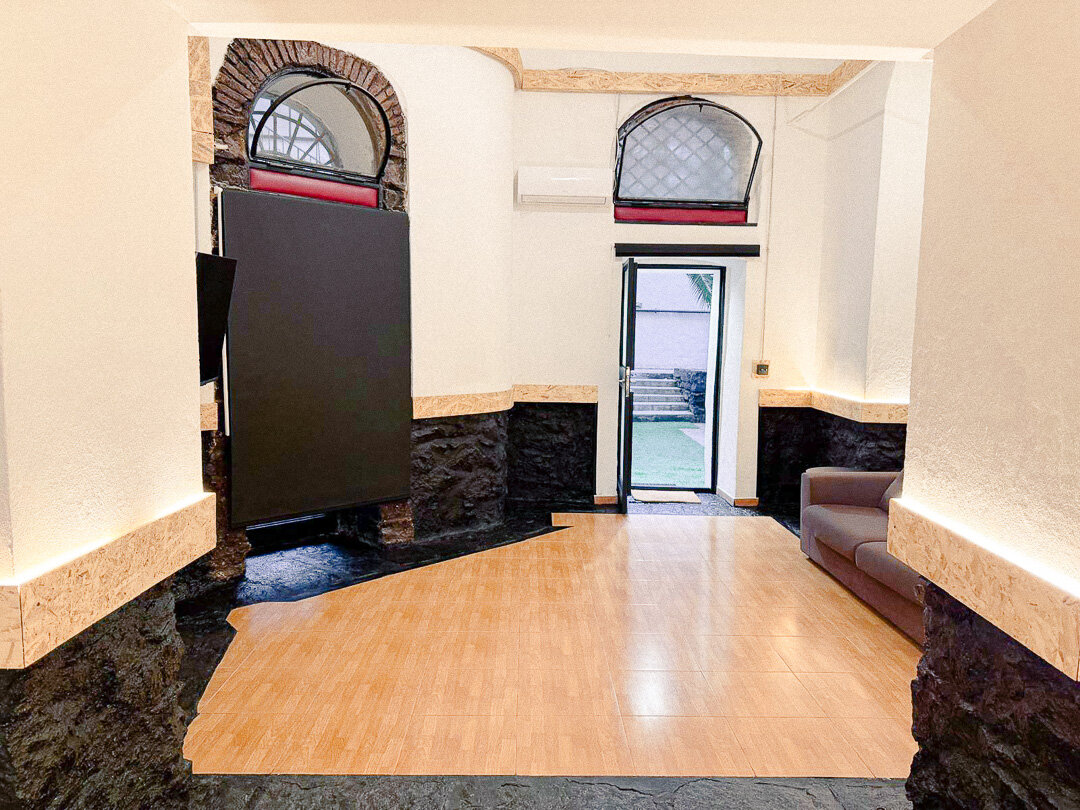
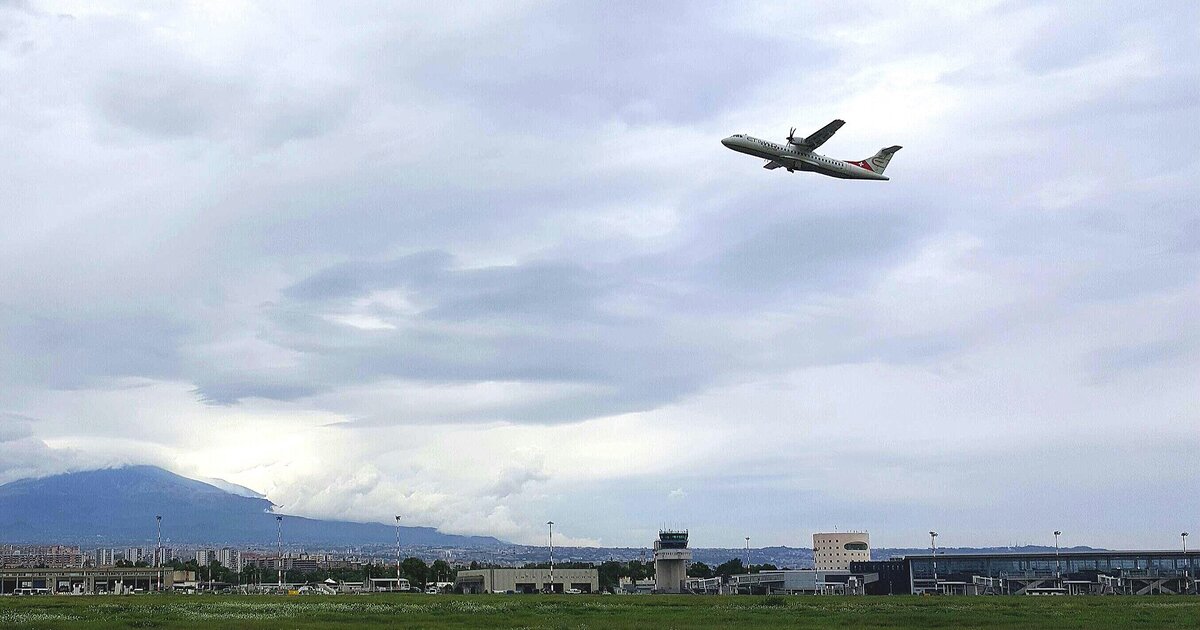
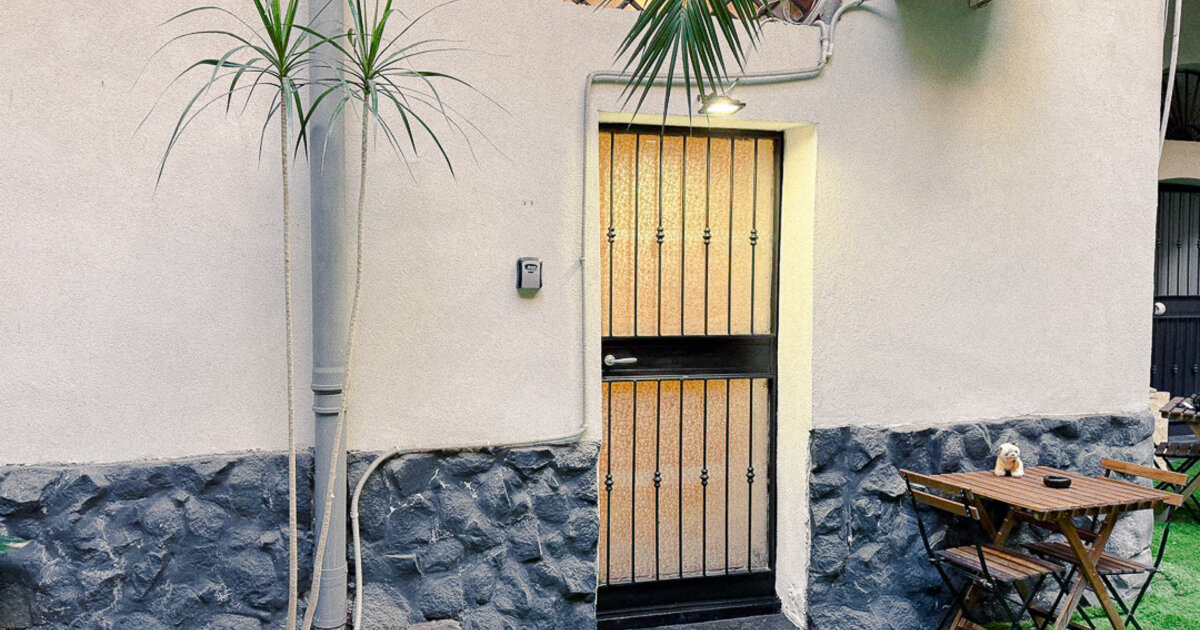
- Self check-in. Essential in Catania. Many low-cost flights land at Fontanarossa at absurd hours, early in the morning or late at night. Being able to get in with a lockbox or a smart lock, without having to match anyone's schedule, takes a lot of stress away. If you arrive at 11pm, you get in at 11pm.
- Equipped kitchen. It's the real advantage over a hotel. You go to the Pescheria, buy the freshest fish, fruit, cheeses, and make yourself a dinner with produce that in a restaurant would cost you three times as much. Even just for breakfast with a cornetto and coffee, the kitchen changes everything.
- Reliable Wi-Fi. If you work remotely, or even just to plan your days, check that there's a decent connection. In serious lofts it's taken for granted, but always double-check.
- Air conditioning. It's not an optional extra, it's a necessity. In summer Catania easily reaches 30-35 degrees, and on July and August nights you won't sleep without it. Check that it's there and that it works in every room.
- Soundproofing. The centre is alive, especially at weekends. New window frames and well-insulating windows let you be right in the middle of everything and still sleep soundly.
When you read a listing, look for these five things in the photos and the description. If they're all there, you're set.
How much does it cost to stay in Catania? Prices per night
The short answer is this: Catania remains one of the most affordable Italian art cities, but prices change quite a bit between low and high season. I'll give you realistic numbers, the kind you actually see when booking.
Apartments and lofts in the centre. In low season (November to March, excluding long weekends) you'll find good options for two people between 50 and 80 euros a night. In high season, especially July and August, the same places easily climb to 90-150 euros a night, and the best ones in the very centre even more. So the difference between low and high season can be almost double.
Hotels. A decent three-star in the centre starts at around 70-90 euros a night in low season and reaches 120-180 euros in summer. Four-star hotels sit in higher brackets. For the same price, with an apartment you get more space and a kitchen, while in a hotel you have the reception and breakfast included.
Hostels and B&Bs. If you're travelling on a tight budget, hostels offer dorm beds from around 20-30 euros a night. Family-run B&Bs sit in between, often between 45 and 80 euros a night for a double, breakfast included.
My advice: for two or more people, or for stays of several nights, the apartment is almost always the more convenient choice, because you split the costs and save on meals thanks to the kitchen. For a single night passing through, even a B&B works just fine.
When should you book for Catania?
In practice: it depends a lot on the time of year. Catania has moments when places in the centre vanish within a few days, and others when you can book at the last minute with no trouble.

For summer, in particular for July and especially August, I recommend moving at least 2-3 months ahead. In August Catania is taken by storm by Italians and foreigners alike, and prices rise while availability collapses. Same logic for the long weekends (25 April, 1 May, spring long weekends): if you wait too long, you'll find only the leftovers at high prices.
Then there's the event that fills the city like no other: the feast of Sant'Agata, from 3 to 5 February. It's one of the largest religious festivals in the world, with hundreds of thousands of people in the centre. On those days the places in the heart of the city sell out fast and prices can double. If you want to experience it, book months in advance.
In the quiet periods (late autumn, winter outside of Sant'Agata, early spring) you have much more freedom and can even decide at the last minute. They're also the times when Catania costs less and the weather is still pleasant. To organise your arrival, you'll find how to get to Catania handy.
Fabio's tip
I'll say it plainly: for August and for Sant'Agata, from 3 to 5 February, book well in advance. In those periods places in the centre sell out fast, and whoever moves late ends up paying more and staying far from the attractions. Better to lock it in early and sleep easy.
Why Lavika Loft is a good base
Let me get to the point, as a host but an honest one. Lavika Loft brings together exactly the things I've talked about in this article. It's right in the old town, so you explore everything on foot: Piazza Duomo, the Pescheria, Via Etnea and Via dei Crociferi are all a few minutes' walk away.
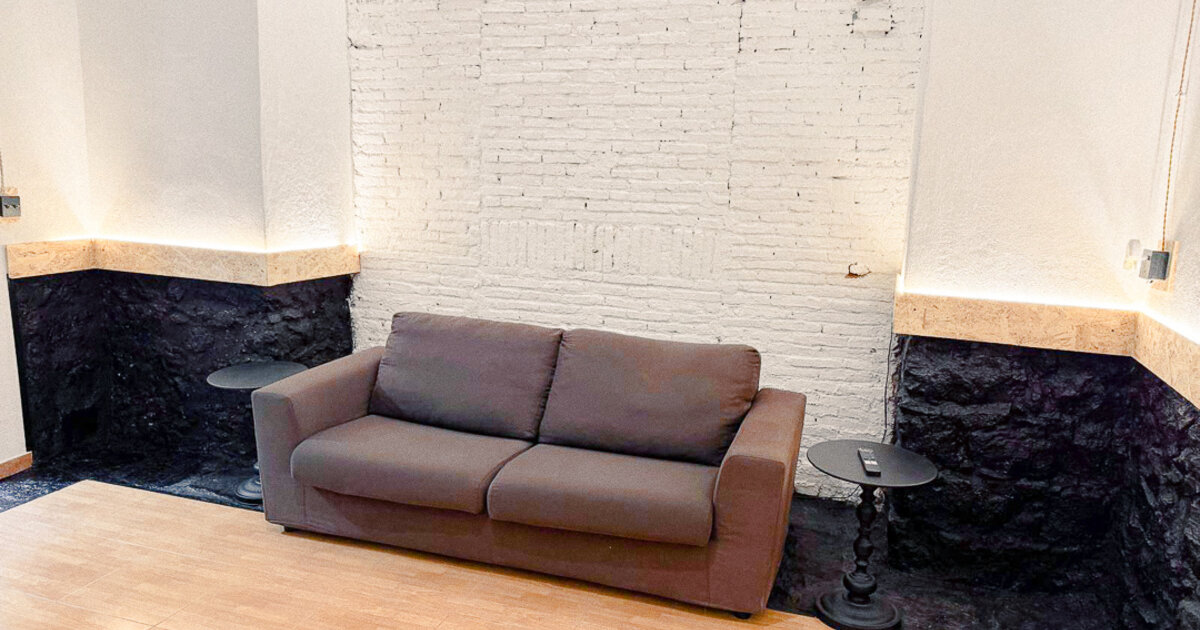
You'll find self check-in, so you get in at the time you want even if you land late on a low-cost flight. There's an equipped kitchen to make the most of the market produce, Wi-Fi to plan your days or work, and air conditioning to handle the summer heat. The spaces are designed to make you feel at home, not in an anonymous room.
Fabio's tip
When someone asks me why I chose this location, I always answer the same way: I wanted a place where you step out in the morning and you're already inside the real city, not twenty minutes away by car. Lavika Loft is exactly that, a comfortable base for living Catania the way I live it.
If the dates work for you, take a look at availability and booking: in high season it pays to move early, as I told you above.